
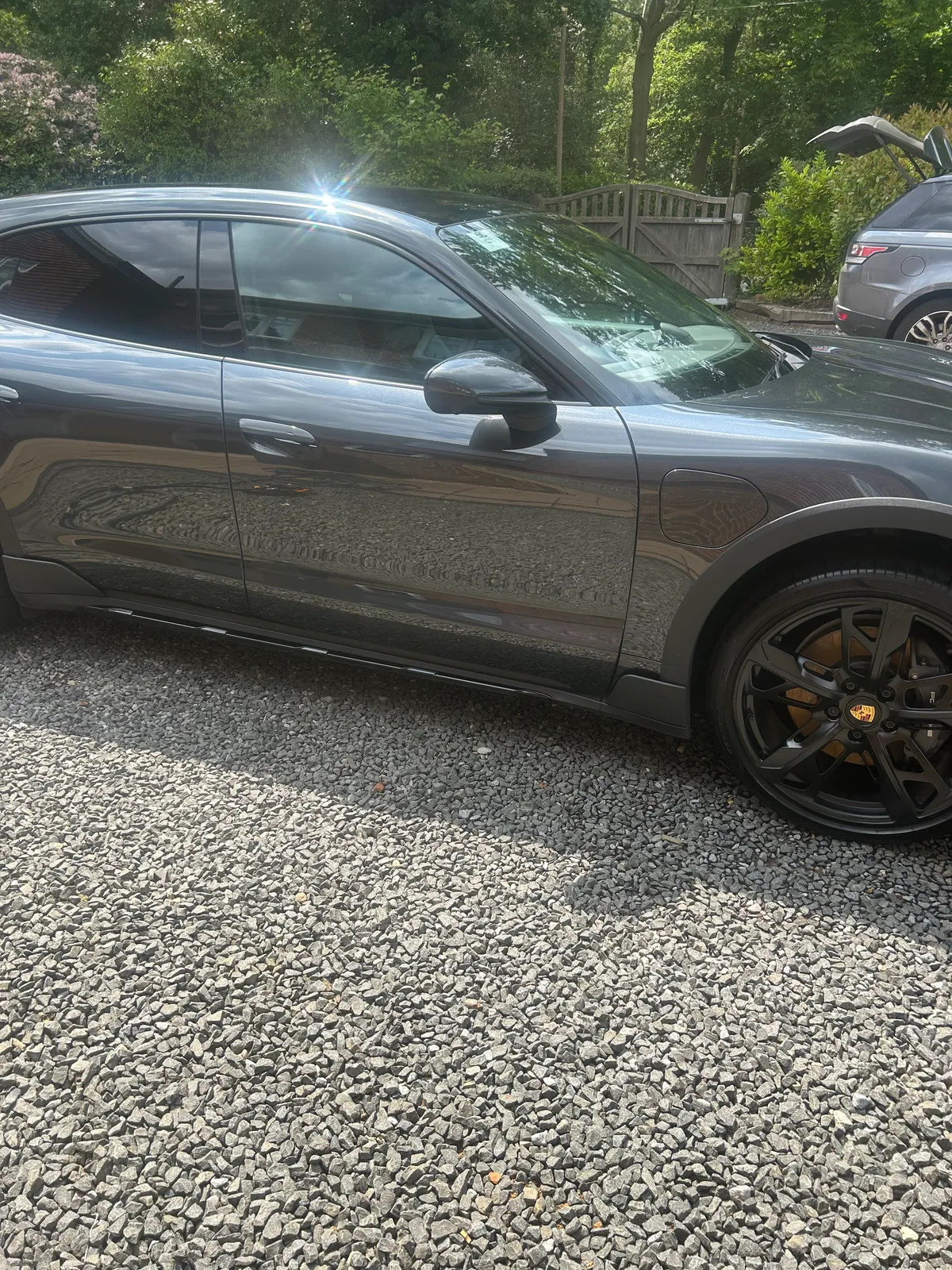
Washing a car in the sun: what heat does to paint and glass
What happens when you wash paint and glass that’s been baking in the sun, from water spots to cracked windscreens, and how to work around it.
Washing a car in the sun: what heat does to paint and glass
In summer, plenty of the cars you clean will have sat in full sun for hours before you arrive. You can’t wait for a cloudy day, but a hot car changes how water and products behave on paint and glass, and a couple of the mistakes are expensive. Here’s what happens, and how to work around it.
How hot the panels get Hotter than the air.
When ADAC, the German motoring club, parked identical black and white cars in the sun, the black car’s paint reached 65°C against the white car’s 44°C. Dark paint is the hardest to work on in the heat, and it shows spots and streaks the most.
What heat does to the paintwork
Shampoo dries on before you rinse. On a hot panel, shampoo and foam can dry before you get to them, leaving streaks and a dull, cloudy film.
Water spots form. As water evaporates, it leaves its minerals behind on the paint, and most of the water in the South East is hard. Spots that sit too long can need machine polishing to get out, which means unpaid time or an unhappy customer.
Chemicals dry where they shouldn’t. Wheel cleaner on a baking wheel dries before it has time to work, and left on too long it can stain. Plenty of labels say not to use them in direct sun or on hot surfaces.
Marring gets more likely. Wiping a panel that has started to dry raises the risk of wash marring.
Protection goes on unevenly. Sealants and coatings flash off before you can spread and buff them, so they can streak and cure unevenly. Gyeon’s coating instructions, for one, say to avoid applying in direct sunlight.
What heat does to the glass
Cold water can crack a hot windscreen. Cold water on sun-hot glass cools the surface suddenly, and that stress can crack it. These cracks often start from an existing chip or from the edge of the glass. A small chip can often be repaired in about half an hour. A crack usually means a new windscreen, a few hours’ work and, on many newer cars, a camera recalibration.
Glass cleaner streaks. On hot glass it flashes off and becomes hard to buff clear.
How to work around the heat
Use the cooler hours and the shade where you can. Car care experts recommend washing before 10am or after 5pm in hot weather. On the day, start on the side of the car that’s in shade and leave the sunniest side till last.
Do the hand test. If the paint is too hot to keep your hand on for a few seconds, let it cool
before you start.
Check the glass before any water touches it. Look for chips, note any you find before you start, and keep cold water off a sun-hot screen until it has cooled.
Work one panel at a time. Wash, rinse and dry each panel before moving on, keep the rest of the car wet, and never let it air dry.
Keep chemicals off hot surfaces. Let wheels cool before you spray them, never let a product dry on, and follow the label.
Put protection on cool panels, a section at a time.
Look after yourself. Heat stress isn’t only about the air temperature: how hard you’re working, the humidity and what you’re wearing all count. Drink water through the day and take your breaks out of the sun.
Valeting work with Zuno
If you valet or detail cars in Berkshire, Zuno sends extra valeting jobs straight to your phone. You see the pay before you accept, you take what suits you and ignore the rest, and there are no minimum hours. Our most popular service pays out between £65.10 and £113.40, depending on the car.
Join below and start filling the gaps in your diary.
Fill the Gaps in Your Diary
Extra valeting jobs, straight to your phone. Take what suits you, ignore the rest.
Join Zuno
Keep reading

Selling your car? The best preparation starts years before the advert
Most buyers won’t pay full price for a scruffy car. Here’s why regular care beats a last-minute clean, and how Zuno keeps your car ready to sell.
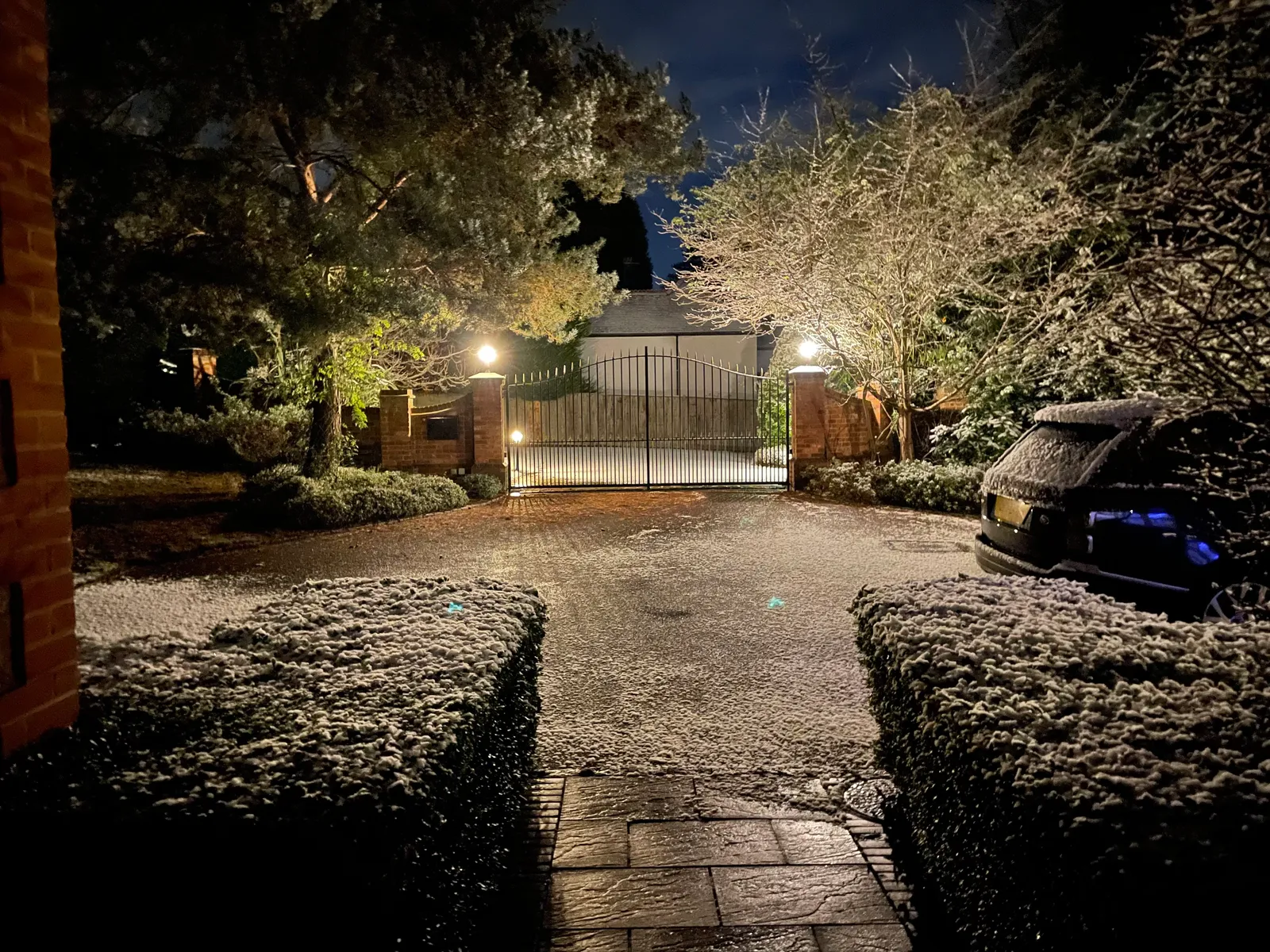
How to look after your car in a UK winter
Road salt, flat batteries, ice and damp carpets: the winter checks that keep a car healthy, and the rules that catch drivers out.
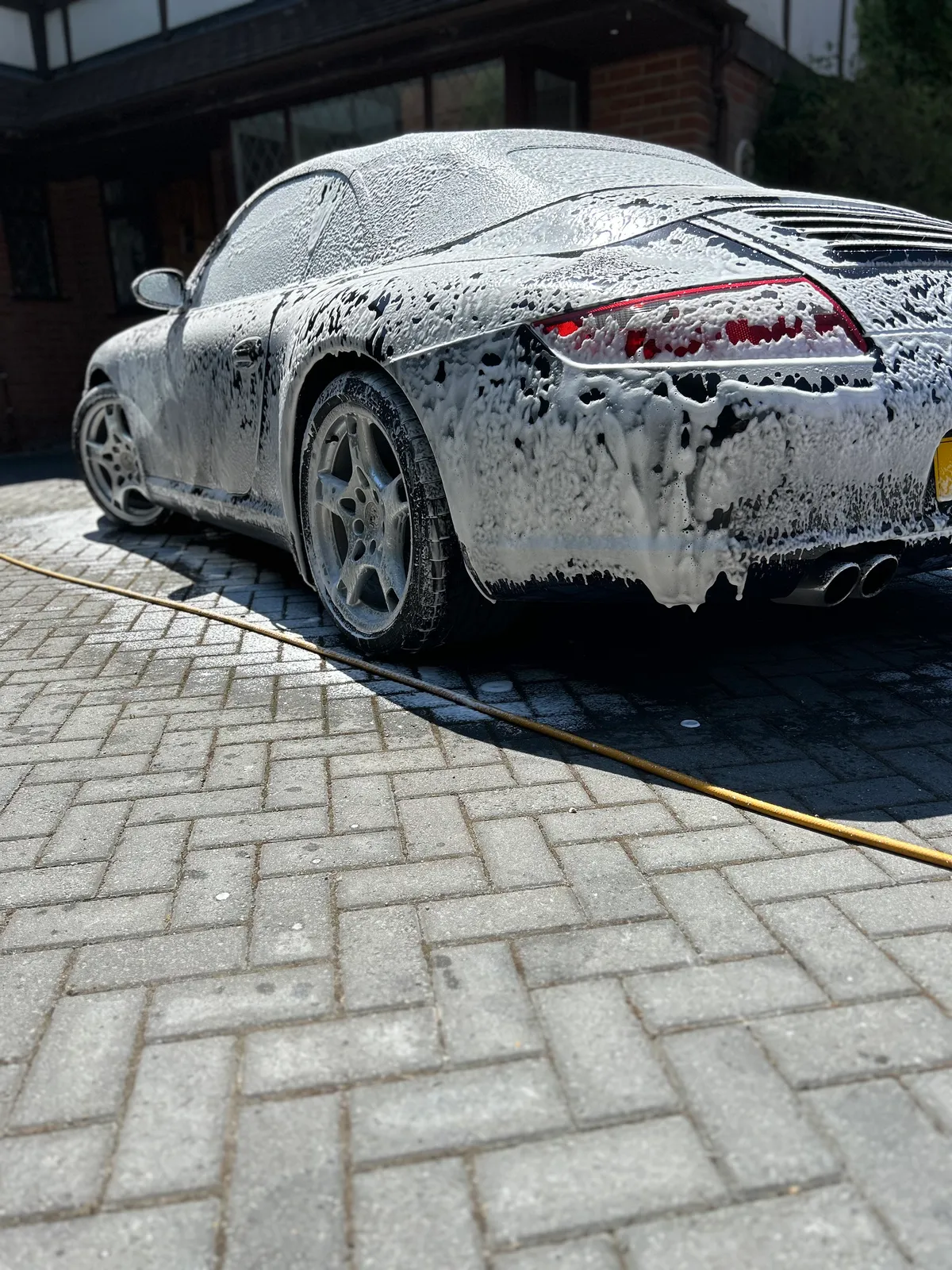
Can a UK summer damage your car? Heat, hot spots and colour
How hot a parked car really gets in a UK summer, where heat and sun do the damage, whether colour matters, and how to protect it.